Who CORPUS Is For
CORPUS is being built in the open. Some of what you read here is live, some is still design intent — expect it to evolve.
CORPUS is conceived as more than a licensing protocol: it is the foundation of an ecosystem that connects creators, rights holders, and technology developers. Three primary groups interact within it. The system only works if their incentives align.
Individual contributors
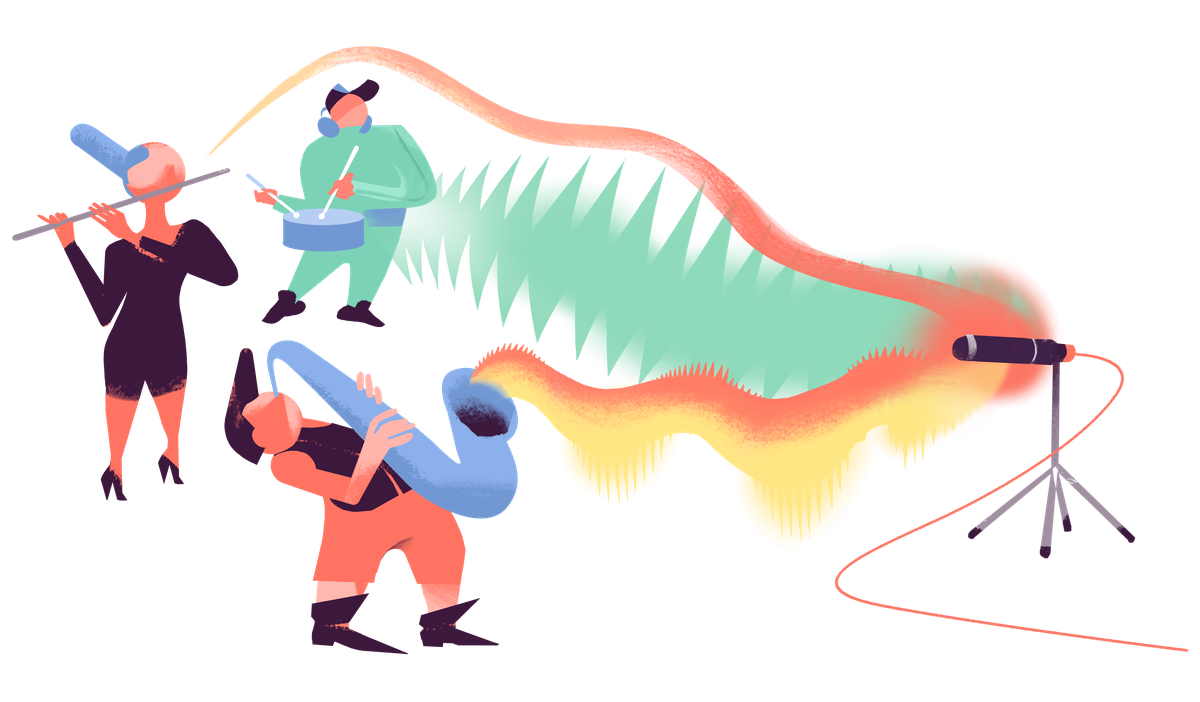
Independent musicians who supply the creative material. Their main concerns are how their works are licensed, how royalties are calculated, and what rights and controls they retain.
Transparency and a clearly defined opt-in structure are essential — including the ability to withdraw works from future use while keeping earned rights from past training cycles. The contributor-side guide starts at How to Join.
Supply-side partners
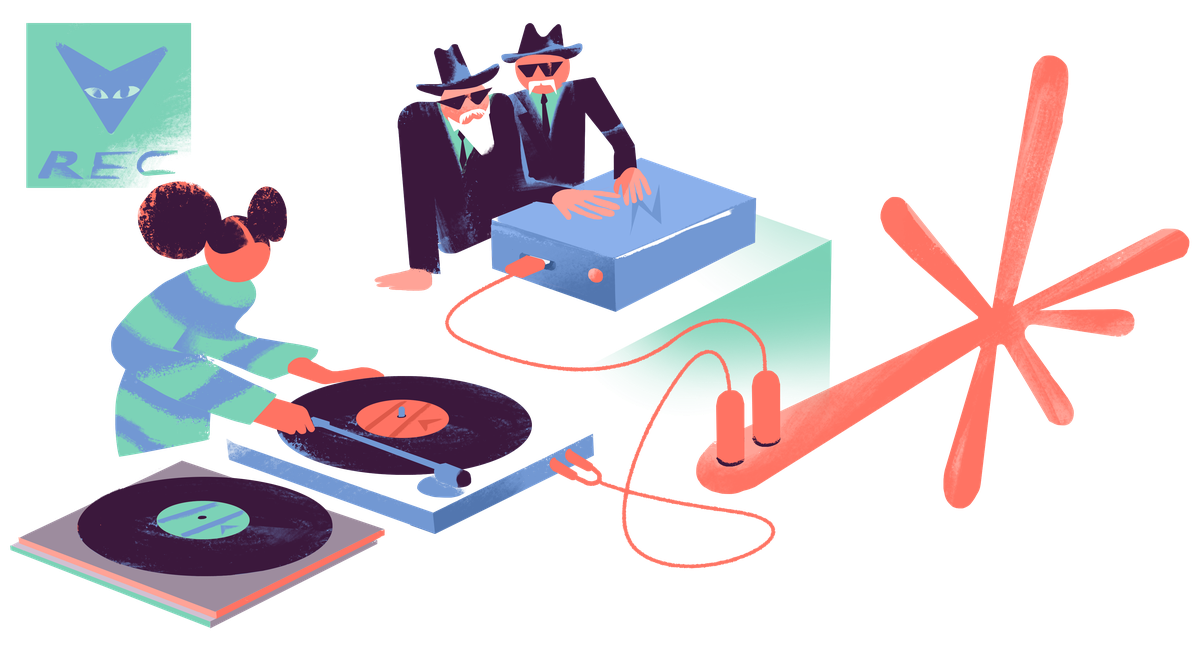
Publishers, labels, and libraries that manage larger catalogues. Their focus is on integrating CORPUS into existing workflows, scaling value attribution across thousands of works, and ensuring legal safeguards protect both rights holders and the licensees who rely on them.
In practice, such partnerships are typically established through direct agreements rather than the public contributor platform.
Licensees and users
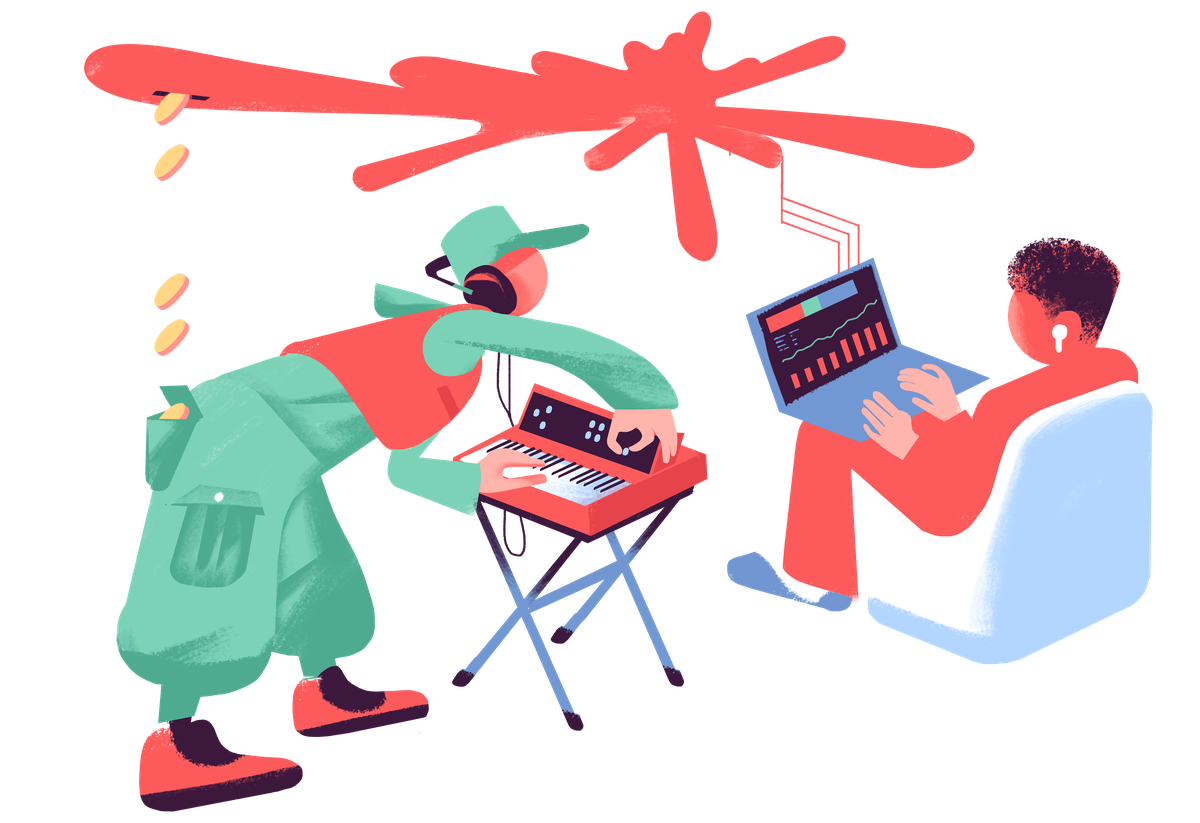
AI developers, game studios, automotive OEMs, healthcare device makers, ad-tech companies, and other technology partners that need rights-secure training data — or, more often, rights-secure trained models.
Their questions center on reducing legal and reputational risk, tracking and verifying usage, comparing CORPUS with buy-out and major-label deals, and establishing provenance and permission with confidence. The full case is in Why CORPUS; the practical entry point is Access Models.
The protocol is structured around the licensing and royalty infrastructure that connects these groups. Model architectures and training workflows are referenced only where they help illustrate how licensing, attribution, and governance apply in practice.