The Scoring System in Detail
CORPUS is being built in the open. Some of what you read here is live, some is still design intent. Expect it to evolve.
This page walks the pipeline in the order it runs: what must be cleared first, how the points assemble, and what happens to a score after it is set. The dimensions and their rationale are in How Your Music Is Evaluated.
Integrity comes first
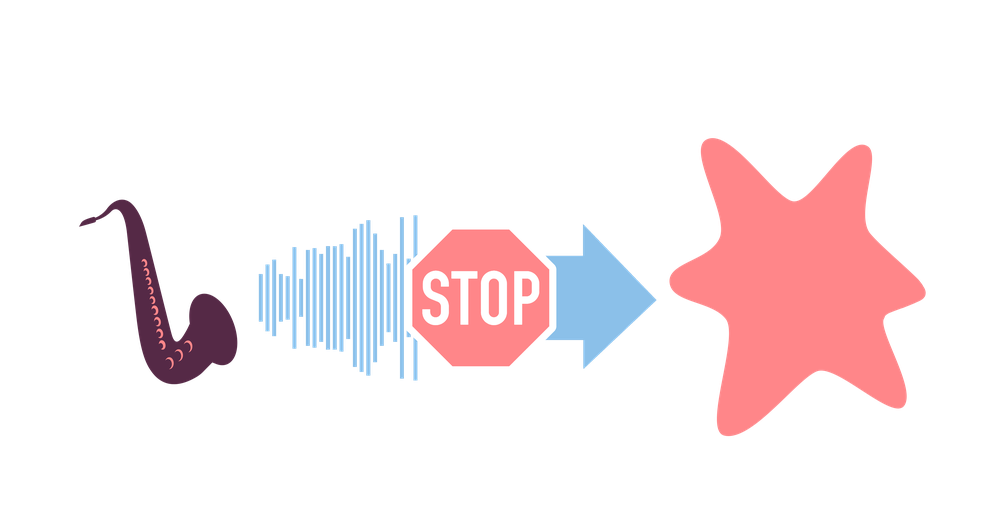
Before any scoring, a contribution has to clear integrity:
- Non-musical content is filtered out.
- Illegal samples and uncleared covers are caught through similarity searches against databases of copyrighted songs.
- Corrupted files are excluded.
- Missing vocal consent holds the contribution until the named performer's consent is on file.
- AI-generated material is screened through dedicated detection systems. Detection is an adversarial moving target; CORPUS plans to complement it with watermarking and provenance tools as they prove reliable. See Verification and Provenance.
Flagged works are held in a pending state and not counted in distributions until reviewed, with appeal options for contributors. See Dispute Resolution.
Base points
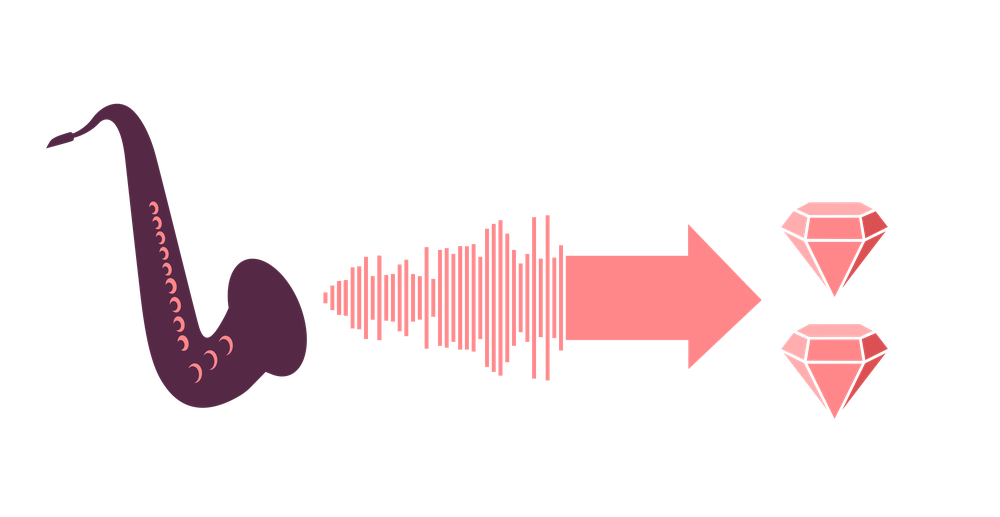
Each work then receives its base: 20 to 110 points from the technical report of the audio itself. This base is the measured half of quality: format as the signal proves it, damage as training value lost. An uncompressed 24-bit master starts at 100 points, a standard MP3 at 50, and the measurement decides, not the file label. Stems earn 10 points each on top, up to ten stems per track; MIDI files and session data also add points, because they let models learn the individual elements of a production. Artwork adds one point per image.
The novelty bonus
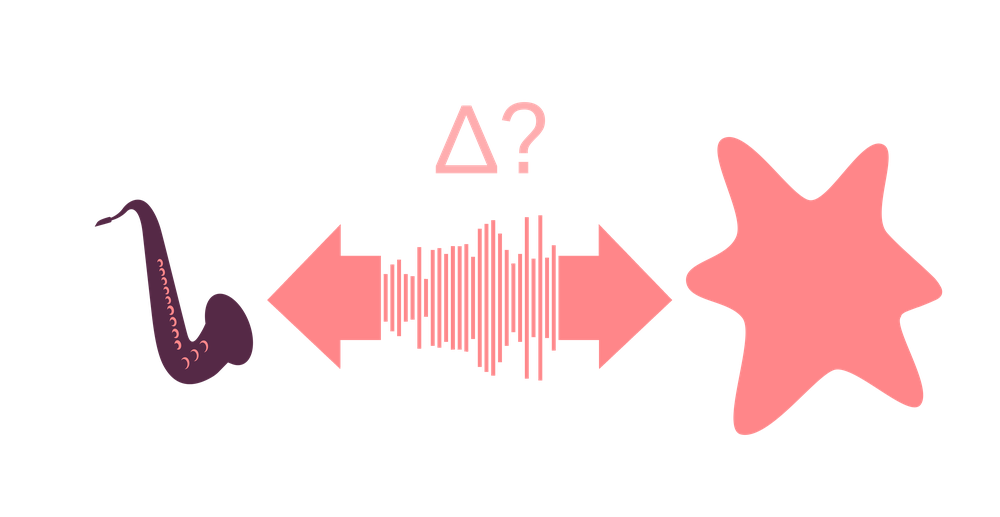
Up to 100 points for rarity within the corpus. The measure listens to the recording, not the score: what counts is how the music sounds as a whole (instrumentation, texture, style, and musical content together), not any single element in isolation. That is why novelty is not a judgment of quality or merit. A second excellent track in an already-dense neighborhood is still excellent; it simply adds less range, and earns less. Mechanism: Novelty Estimation.
One score, versioned
Base, novelty bonus, and stems add up to the track's points. The score is set once, at ingest, and recorded together with the version of the scoring policy that produced it, so every number on your dashboard can be traced to a documented policy. A set score changes in three cases only: an error or fraud correction (either direction), the novelty decay after its three-year protection (Temporal Dynamics), and, during the public beta, documented recalibrations while the policy is tuned.
Behind this sits the points ledger, a book that is only ever added to. Every award, revocation, and correction is its own entry, stamped with the policy version and a reason from a fixed list. Nothing in the book is edited or deleted: a mistake is fixed by a new entry that references the one it corrects, and a recalibration is recorded as one event with its scope, approval, and net effect. Your balance is the sum of your entries. The dashboard shows a copy of that sum, checked against the book every night.
Alongside the score: the sound-quality reading
Every track also receives a reading of its mix and master: how the sound sits against well-made records of its own style. The reading awards no points. It names the style pool your track was measured against, where the sound deviates, and what that means, in language a musician can use. It stays advisory for a reason: the comparison only makes sense against the style you were aiming for, and your intention is not something a measurement can know. Mechanism: The Sound Quality Reading.
Metadata steers the scoring
Annotations (genre, mood, instrumentation, cultural context) do not add points by themselves. They do something just as consequential: they decide what your track is compared against, from the style pool of the sound-quality reading to how your work is found in discovery. Accurate annotations make your scoring more right, and usually better.
Together, these mechanisms discourage mass uploading and reward contributions that genuinely expand the corpus. Novelty becomes progressively harder to achieve as the dataset grows: a dynamic that pushes contributors toward new territory rather than repetition.
Next: How Royalties Flow.